
Google Health Coach Launches in India: Everything You Need to Know About Google’s New AI Powered Wellness Platform
Google is stepping deeper into the health and wellness space with the launch of its new AI powered Health Coach platform. The company has officially confirmed that the service will arrive on May 19 and India is among the first major markets to receive it. The move also marks a significant transition for Fitbit users, as the Fitbit app is gradually evolving into what Google now calls Google Health.
Table of Contents
The new platform is designed to function as a personal digital wellness assistant that helps users manage fitness, sleep, nutrition, stress levels, and overall lifestyle habits through artificial intelligence. Unlike traditional fitness apps that only count steps or calories, Google Health Coach aims to provide contextual recommendations based on daily routines, health history, and wearable device data.
The launch comes at a time when AI powered personal assistants are becoming more integrated into daily life. From productivity tools to virtual healthcare support, companies are racing to create smarter and more personalized digital experiences. Google’s entry into AI based health coaching could become one of the company’s most ambitious consumer wellness projects yet.
What Is Google Health Coach?
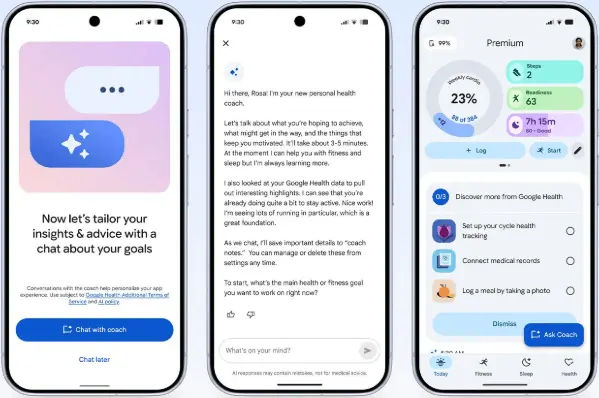
Google Health Coach is an AI based subscription service that works inside the redesigned Google Health ecosystem. The platform combines data from Fitbit devices, Android smartphones, Google services, and wearable sensors to provide personalized health recommendations.
The service reportedly costs $9.99 per month globally, although India specific pricing may vary once the service becomes officially available locally.
Instead of simply displaying health statistics, the AI coach interprets the data and offers suggestions users can actually follow. This includes:
- Personalized workout routines
- Sleep improvement suggestions
- Nutrition guidance
- Stress management techniques
- Recovery tracking
- Lifestyle recommendations
- Daily wellness insights
The goal is to make healthcare guidance feel more natural and proactive rather than reactive.
For example, if the system notices poor sleep patterns and increased stress levels, it may recommend lighter workouts, breathing exercises, or earlier sleep schedules. If a user skips workouts consistently, the AI may adjust goals automatically instead of sending generic reminders.
Fitbit Is Becoming Google Health
One of the biggest announcements tied to this launch is the transition of Fitbit services into Google Health. Fitbit has been a well known fitness tracking brand for years, especially after Google acquired the company. However, Google now appears ready to fully integrate Fitbit technology into its broader AI ecosystem.
The Fitbit app will reportedly transition into Google Health over time. Existing Fitbit users are expected to retain access to their data, workout history, and health metrics, but the branding and experience will increasingly revolve around Google Health.
This move makes strategic sense for Google. Rather than maintaining separate ecosystems for health tracking and AI services, the company is merging them into one unified platform.
For users, this could mean:
- Better integration with Android phones
- Smarter AI based recommendations
- Unified health dashboards
- Cross device syncing
- Deeper personalization
- More advanced wearable support
Google Health is expected to work closely with Pixel devices, Wear OS smartwatches, Fitbit trackers, and potentially future AI wearable products.
Why Google Is Betting Big on AI Healthcare
Healthcare and wellness have become major growth areas for technology companies. AI powered health tools are rapidly evolving beyond basic fitness tracking.
Google’s approach focuses on preventive wellness and daily lifestyle management instead of clinical diagnosis. This is important because many users want simple guidance they can use every day rather than complicated medical insights.
AI can identify patterns humans often overlook. Small changes in sleep quality, activity levels, heart rate, or stress trends may indicate lifestyle issues before they become serious health concerns.
Google Health Coach uses machine learning models to process these signals continuously. The system then converts raw data into actionable suggestions.
The company is also positioning the platform as a wellness companion rather than a replacement for healthcare professionals. This distinction may help avoid regulatory complications while still delivering meaningful value to users.
Features Expected in Google Health Coach
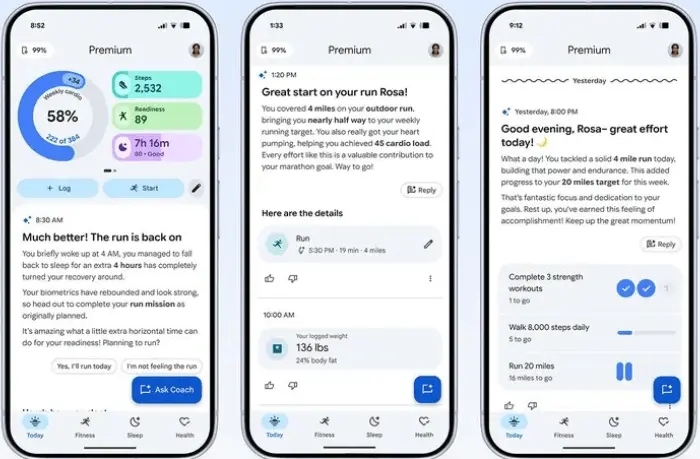
Although Google has not revealed every feature officially, reports suggest the platform will include several advanced wellness tools at launch.
AI Generated Health Insights
The core feature of the service revolves around AI driven recommendations. The assistant studies user behavior patterns and generates customized guidance based on activity, sleep, and wellness data.
Instead of fixed plans, the recommendations evolve daily depending on progress and habits.
Smart Fitness Coaching
Users may receive workout suggestions tailored to fitness goals, recovery status, age, activity history, and available time.
For example, the AI could recommend shorter workouts during busy schedules or recovery sessions after intense exercise days.
Sleep Monitoring and Optimization
Sleep tracking has become a major focus in wearable technology. Google Health Coach may provide:
- Sleep quality analysis
- Sleep schedule recommendations
- Sleep recovery scores
- Suggestions for improving bedtime routines
The system could also detect long term sleep disruptions and encourage healthier patterns.
Stress and Mental Wellness Support
Mental wellness tools are increasingly becoming part of consumer health platforms. Google’s AI coach is expected to include mindfulness prompts, breathing exercises, stress tracking, and mood related insights.
This could make the platform more holistic compared to traditional fitness apps.
Nutrition and Lifestyle Guidance
The AI may also offer meal suggestions and nutrition recommendations based on fitness goals, energy levels, and daily activity.
Rather than strict diet plans, the platform appears focused on realistic and sustainable lifestyle changes.
India Is Becoming a Major Market for Digital Health
Google launching Health Coach in India is not surprising. India has become one of the fastest growing digital wellness markets globally.
Several factors make India important for Google’s healthcare ambitions:
- Rapid smartwatch adoption
- Growing fitness awareness
- Increasing Android smartphone usage
- Expansion of digital payments and subscriptions
- Rising interest in preventive healthcare
Urban users in India are already heavily engaged with wellness apps, fitness tracking, and wearable technology. AI based health coaching could appeal strongly to younger professionals and tech savvy consumers.
Additionally, India’s large Android ecosystem gives Google a significant advantage over competitors.
Privacy Concerns Around AI Health Data
Whenever AI and healthcare combine, privacy concerns naturally follow.
Health data is among the most sensitive categories of personal information. Users are becoming increasingly aware of how companies collect, store, and use their data.
Google says its health services will follow strict privacy and security measures, but some users may still remain cautious.
Questions users may ask include:
- How is health data stored?
- Will Google use wellness data for advertising?
- Can users control data sharing?
- Will medical information stay private?
- How secure is wearable device data?
Trust will play a major role in the platform’s success. If users feel uncomfortable sharing health information, adoption could slow despite strong features.
Google will likely emphasize transparency, encrypted storage, and user control settings during the rollout.
Related Post
 (20+ Apps) Find My Friends Alternative for Android
Competition in the AI Wellness Market Is Growing Fast
Google is entering a highly competitive space.
Several companies are already investing heavily in AI powered health and fitness experiences. Apple continues expanding health features across Apple Watch and iPhone devices. Samsung has also strengthened its wellness ecosystem through Galaxy wearables.
Meanwhile, startups are building AI driven coaching platforms focused on fitness, sleep, mental wellness, and nutrition.
Google’s advantage lies in its AI infrastructure, Android ecosystem, and access to wearable device data through Fitbit.
The company’s Gemini AI models may also play a role in future health related features. Smarter conversational wellness assistants could eventually become part of the broader Google ecosystem.
Could AI Health Coaches Replace Traditional Fitness Apps?
Traditional fitness apps usually rely on manual tracking and fixed recommendations. AI health coaches aim to make the experience more adaptive and personal.
Instead of simply counting calories or steps, AI systems can interpret behavior patterns and provide contextual guidance.
This creates a more interactive experience that feels closer to having a real coach.
However, success will depend on accuracy and usefulness. Users will quickly abandon the platform if recommendations feel repetitive, unrealistic, or irrelevant.
Google’s challenge will be balancing automation with personalization while keeping the experience simple and trustworthy.
Subscription Pricing and Availability
Google Health Coach is expected to launch globally on May 19 with a monthly subscription price of $9.99. Regional pricing for India may be announced closer to launch.
The service is likely to integrate directly into the Google Health app and may offer compatibility with:
- Fitbit devices
- Pixel Watch
- Wear OS smartwatches
- Android smartphones
- Health tracking wearables
There may also be free limited features alongside premium AI coaching subscriptions.
The Future of AI Powered Personal Healthcare
The launch of Google Health Coach reflects a larger trend in technology. AI is increasingly moving from productivity tools into deeply personal areas of life including wellness, mental health, and lifestyle management.
Consumers are no longer looking for simple fitness tracking apps. They want intelligent systems that understand routines, adapt to goals, and provide meaningful support.
If executed properly, Google Health Coach could become one of the most influential AI wellness platforms in the market.
At the same time, the company must navigate challenges involving data privacy, subscription fatigue, and user trust.
The coming months will reveal whether users embrace AI powered wellness coaching as a daily habit or view it as another experimental tech service.
For now, one thing is clear: Google is positioning itself to become a major player in the future of digital health.